
Bluffing is less about lying and more about shaping what your opponents believe you hold. At a live table or behind a screen, the best bluffs come from genuine gaps in your story, not from random bets. A solid read of how to bluff in poker starts with position, board texture, and the habits of the people you are playing against. Most recreational players overfold to sustained pressure on scary cards, which is why a well-timed raise can win the pot without a showdown. The trick is to keep your range believable and your timing tight, because a bluff that contradicts your earlier actions gets called every time.
Building a Believable Story Across Streets
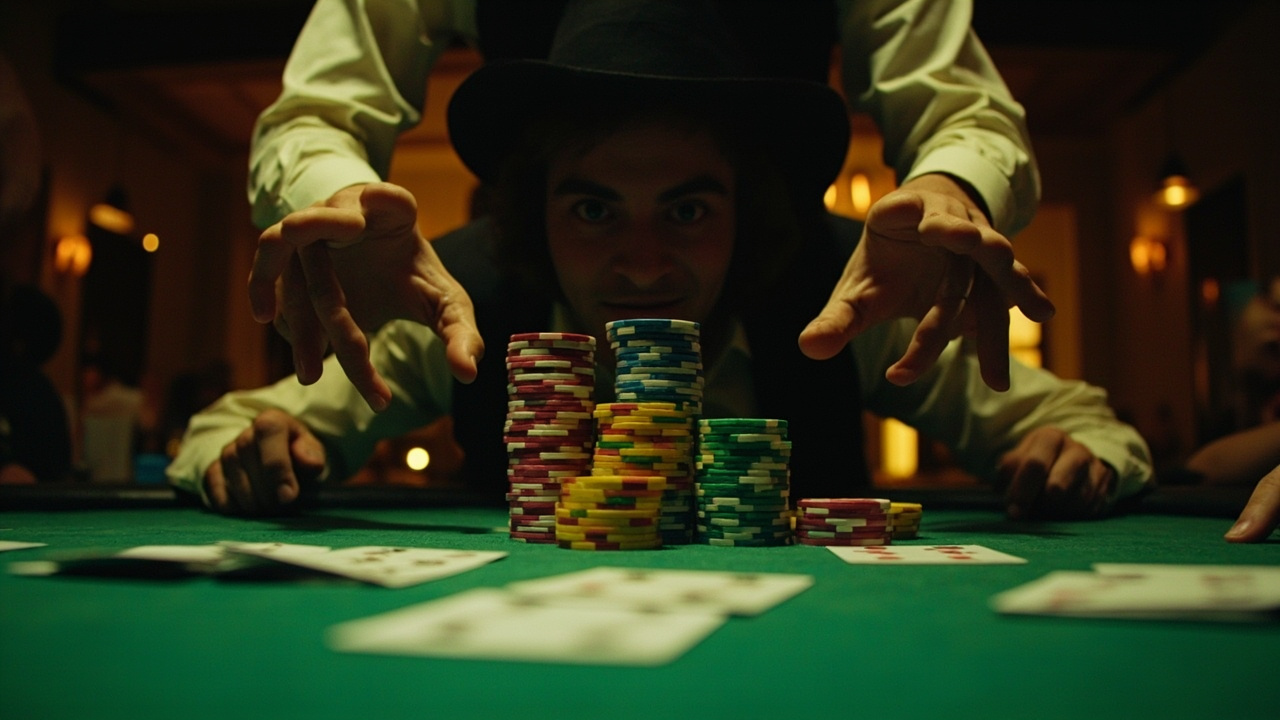
A bluff only works when the board actually supports the hand you are pretending to hold. If the flop comes low and disconnected, representing a big pair is harder than when the cards bring a possible straight or flush. Position matters just as much, because acting last lets you see what your opponents do before you commit more chips. When you raise from late position on a wet board, you can keep the pressure on without overcommitting, and that is where many players start to fold hands that were fine on the flop. The same logic applies to online tables where you cannot see physical ticks, so bet sizing and timing become your main tools. On a site like skycrowncasion.com, the mobile layout keeps the action moving without crowding the screen, which helps you track bet patterns between streets rather than chasing the pot after it has already turned against you.
| Factor | What to watch | Typical read |
|---|---|---|
| Board texture | Dry versus wet, coordinated cards | Wet boards favour the aggressor’s story more often |
| Position | Early, middle, or late seat | Late position gives more information before acting |
| Bet sizing | Small probe versus large pressure bet | Larger bets fold out more hands but cost more when wrong |
| Opponent type | Tight-passive or loose-aggressive | Tight players fold sooner to sustained pressure |
The table above is a quick reference, not a rulebook, because every session throws in a different mix of players and stacks. A dry board with a small bet often reads as a value hand, while a big raise on a coordinated runout can look like you have hit something specific. The key is consistency: if you bluff the turn, your river story should still make sense, or you will get called by a better hand. Many players learn this the hard way after they fire twice and then give up on the river, which is exactly when a disciplined opponent starts paying attention.
When to Fire and When to Give Up
Bluffing is a timing game, and the difference between a good bluff and a wasted bet usually comes down to the river. Some players keep firing hoping the cards will help, but that approach burns money when the board stays ugly and the opponent is not folding. A cleaner approach is to pick your spots where the opponent has shown weakness earlier, such as a check-call or a hesitation on the turn. If they have already taken a cheap look at a scary card, they are more likely to release the hand than chase it further. High-value casino chips increasingly carry embedded RFID tags for tracking and anti-fraud, which is a reminder that live venues watch the action closely, and the same discipline applies online where bet history is permanently recorded.
There is also a habit worth avoiding called rabbit hunting, which means revealing cards that would have come if you had stayed in the hand. It can feel tempting to see the river for free, but it teaches your opponents nothing and sometimes costs you a pot you could have won by folding earlier. The better move is to decide on the turn whether your story still holds, then either commit or shut it down. A bluff that gets called twice is usually just a bad read, not a clever play, so it pays to respect the times when the board has genuinely changed the situation.
A Beginner’s Guide to Safer Bluffing
If you are still learning how to bluff in poker, the safest place to start is with small, controlled bets rather than big all-in moves. Think of it like explaining the ropes to a mate who has just sat down at a new table: keep the story simple, pick spots where the board helps you, and do not bluff the same opponent twice in a row unless the situation has clearly changed. Here is a straightforward way to practise without burning through your bankroll:
- Start with position – act last when you can, because it gives you more information before you decide.
- Pick wet boards – cards that can make straights or flushes support a strong story more than dry, random flops.
- Use one clear size – keep your bet sizing consistent so your bluffs look like value bets, not panic moves.
- Target the right opponent – tight players who fold to pressure are better targets than loose players who call too much.
- Know when to stop – if the river does not help your story, folding is often cheaper than firing again. skycrowncasion.com
This approach is deliberately boring, because boring bluffs are the ones that survive long enough to matter. A greenhorn who tries to hero-raise every time the board looks scary usually ends up donating to the regulars, while a patient player picks two or three good spots per session and takes them down cleanly. The goal is not to bluff every hand, but to have a credible threat when you do.
Live Reads, Online Play, and Grey Areas
Real tables give you physical tells that screens cannot, like a quick glance at chips, a change in posture, or a hesitation before calling. Those little signals can tip you off that an opponent is unsure, which is often the moment a bluff has the best chance. Online play strips most of that away, so you rely more on timing tells, bet history, and how often a player continuation-bets. Some players also try to bridge the gap with skin betting using in-game cosmetic items, which became a controversial grey-market form of gambling and shows why it pays to stick to clear, regular tables where the rules are obvious. The Gold Coast scene is a good example of a busy local circuit where players mix serious cash games with lighter social sessions, and the pace there rewards people who can adjust quickly without overplaying marginal spots.
Payment flow and registration matter too, because a table you cannot join smoothly or a mobile app that lags between streets breaks your concentration. A mobile-first layout that keeps navigation simple helps you focus on reads rather than fighting the screen, and fast support is useful when a payment or account question comes up during a session. Loyalty schemes can add a bit of extra value over time, but they should never be the reason you stay in a hand you would otherwise fold. The real edge in bluffing comes from patience, position, and a story that fits the cards, not from chasing bonuses or trying to outsmart every player at once.